From December 5 to 7, 2025, the IEEE International Conference on Agentic AI (IEEE ICA 2025) was successfully held at the Nanhu Campus of Central China Normal University(CCNU). As a premier international academic platform in the field of agentic AI, the conference was organized by the IEEE Computer Society and hosted by CCNU. It brought together experts and scholars from universities, research institutions, and industries worldwide to explore cutting-edge advances in the theory, technologies, and applications of agentic AI.
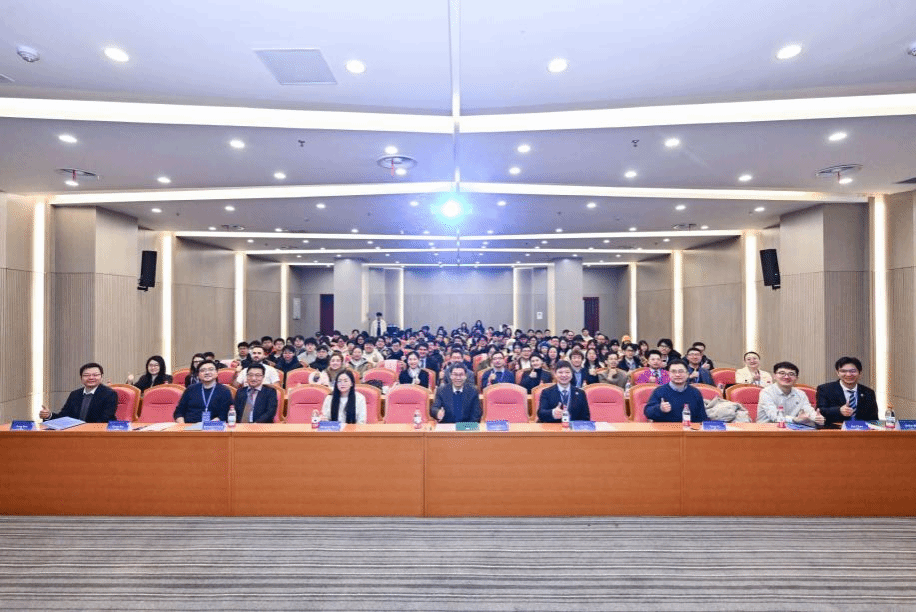
Opening Ceremony
The opening ceremony on the morning of December 6 began with an address by Hongfei Li, Vice President of CCNU. He emphasized that artificial intelligence, as a strategic technology, is a crucial driver of national technological self-reliance and high-quality development. As a "Double First-Class" university, CCNU has established multiple national-level intelligent education platforms and achieved a series of influential outcomes in intelligent education and educational large language models (LLMs). He noted that the university remains committed to open cooperation and will continue to actively advance high-level international academic exchanges. The ceremony was hosted by Jun Xu, Vice Dean of the Joint Institute.
Xu Du, Dean of the Joint Institute and Chair of IEEE ICA 2025, delivered the welcoming address. He noted that the conference theme "Autonomous Agents" aligns closely with the institute's educational philosophy of "Human-AI Synergy." This year, the conference received 90 submissions from 16 countries and regions. Following a rigorous double-blind review process, 59 papers were accepted, with a long-paper acceptance rate of 39%. He thanked the technical committee, reviewers, and partners for their support of providing the platform for faculty and scholars before officially declaring the conference open.
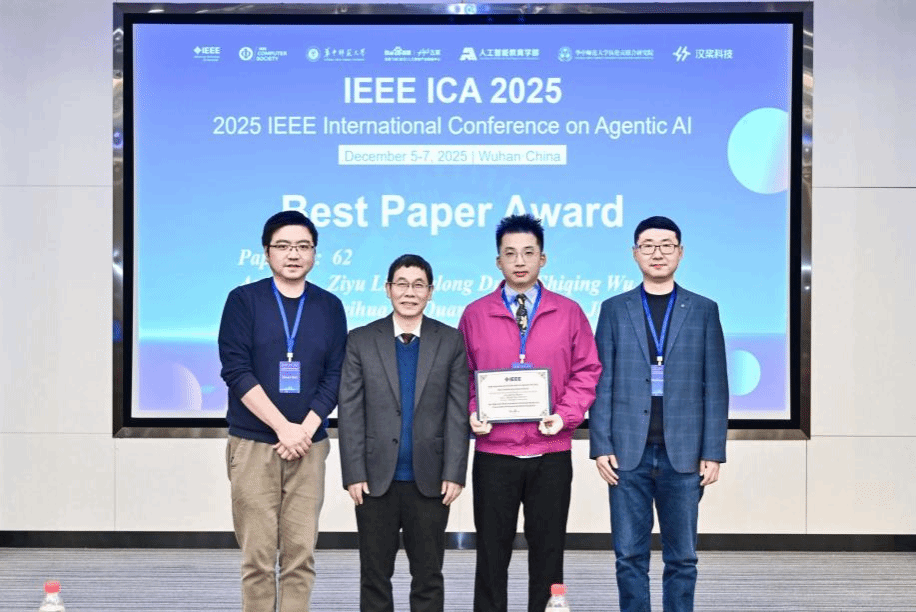
Following the opening session, an awards ceremony was held. Vice President Hongfei Li presented the "Best Paper Award" to recognize outstanding contributions in academic innovation and research.
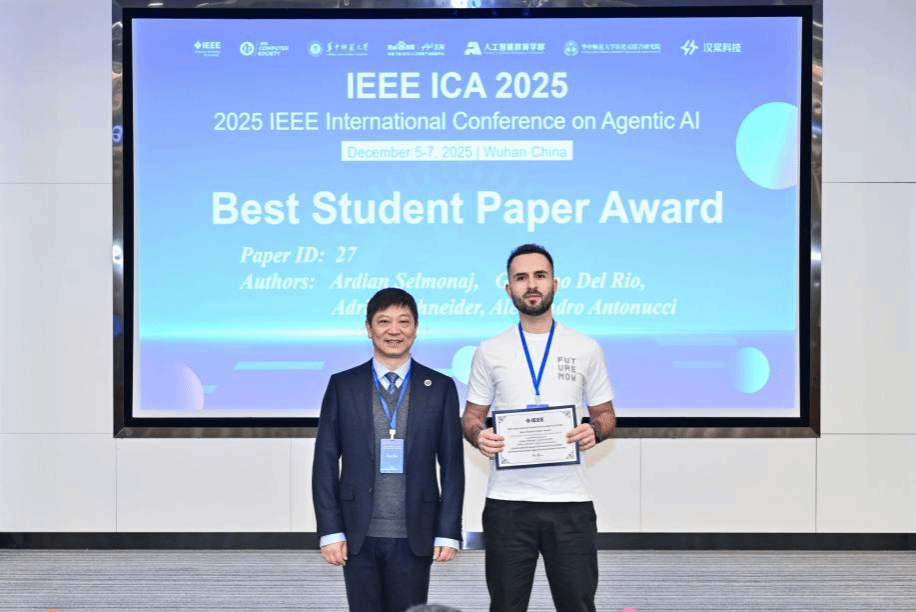
Awards Ceremony
Dean Xu Du presented the "Best Student Paper Award" to honor exceptional academic achievements by student researchers.
Keynote Speeches
The keynote session featured four renowned experts sharing cutting-edge insights:
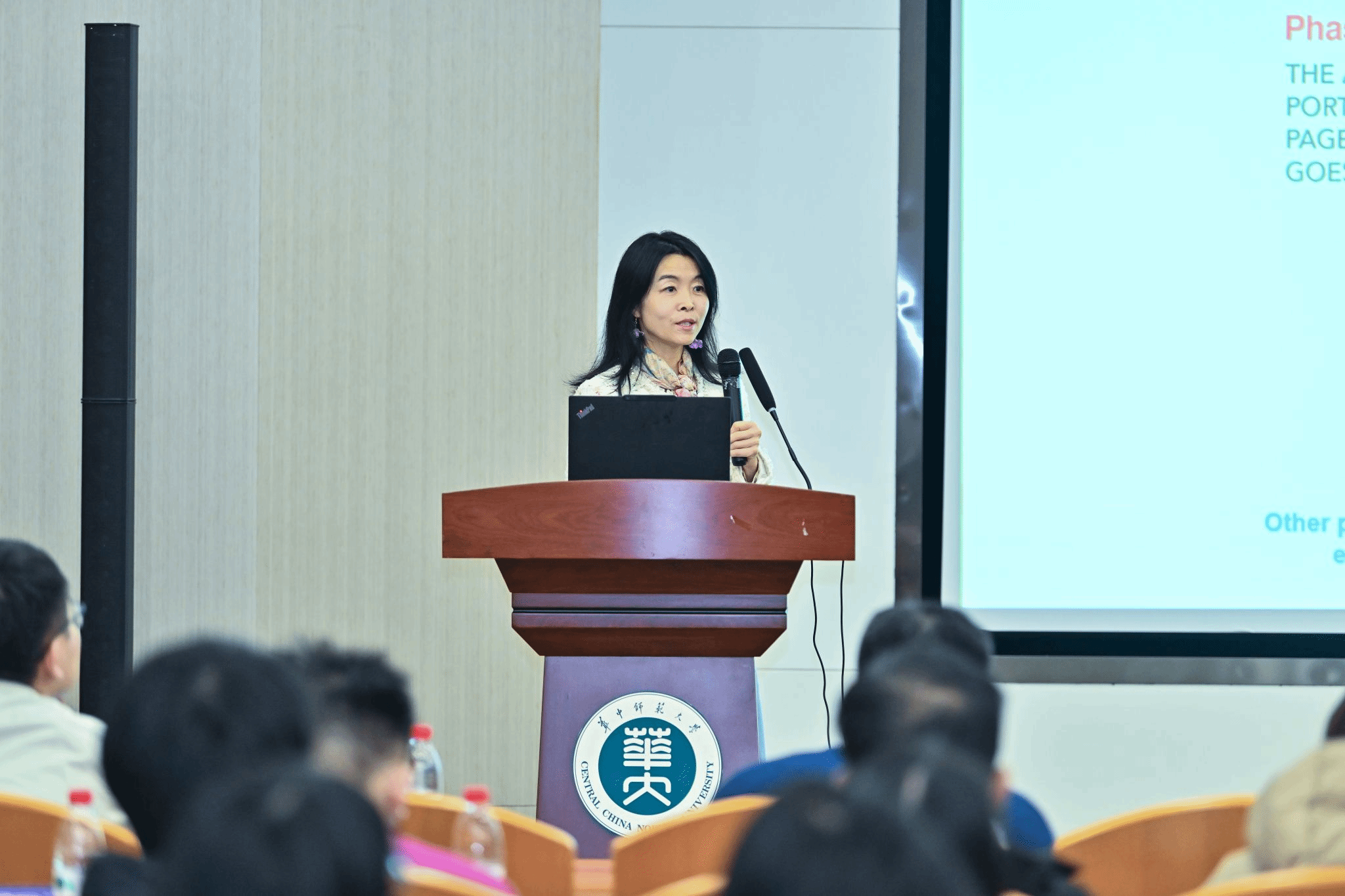
Minjuan Wang (The Education University of Hong Kong): In her talk, Agentic AI Unleashed: Power, Promise, and Ethical Frontiers, she discussed the evolution of agentic AI from passive tools to autonomous agents capable of dynamic interaction. She highlighted its potential in education and human-machine collaboration, while stressing the need to address ethical challenges including accountability, transparency, and value alignment.
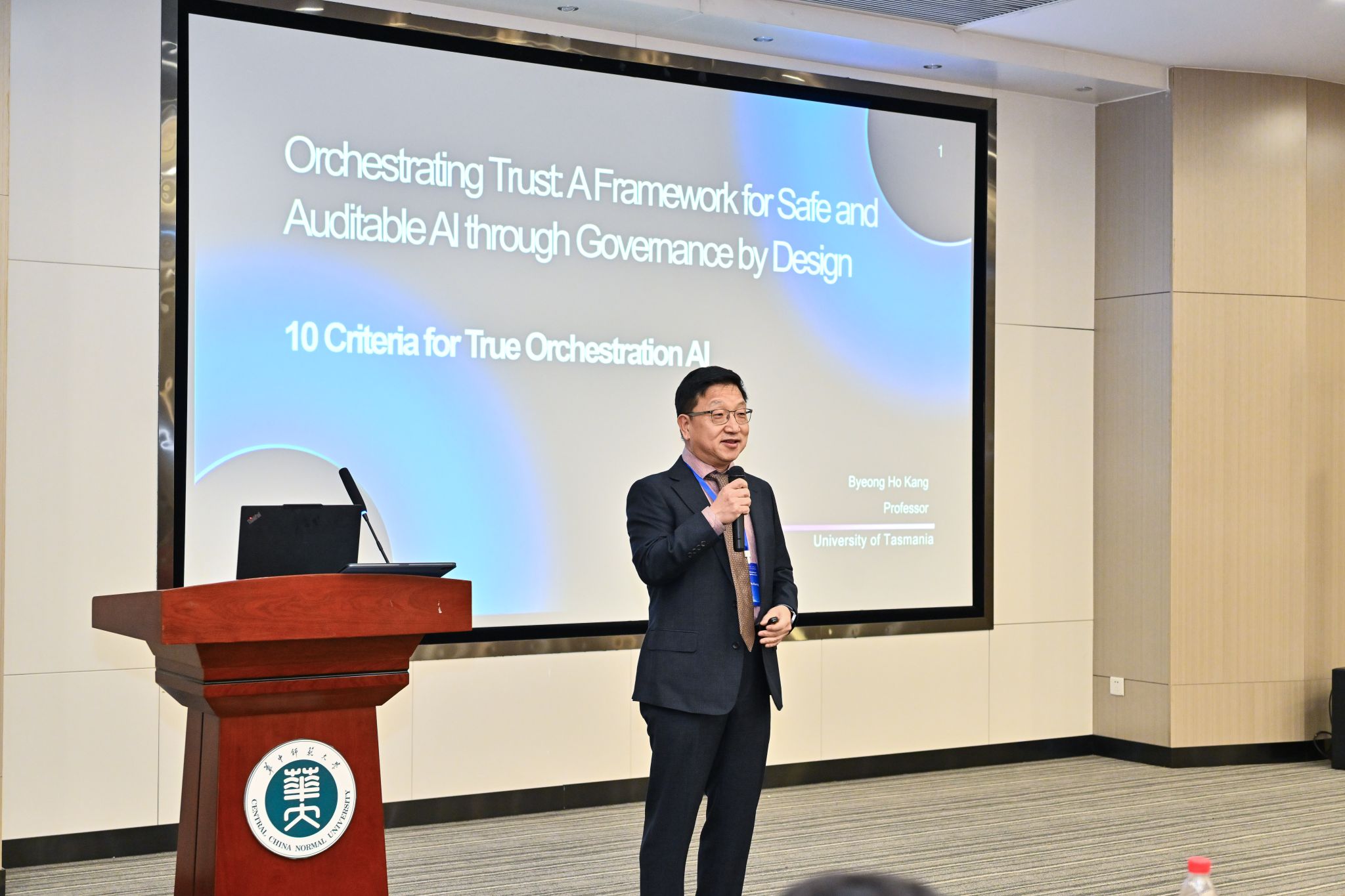
Byeong Ho Kang (University of Tasmania, Australia): His presentation, "Orchestrating Trust: A Framework for Safe and Auditable AI through Governance by Design" , proposed a new paradigm termed "Orchestrated Intelligence." He advocated building machine-executable architectures to replace abstract governance principles, thereby enhancing the auditability and controllability of AI systems.
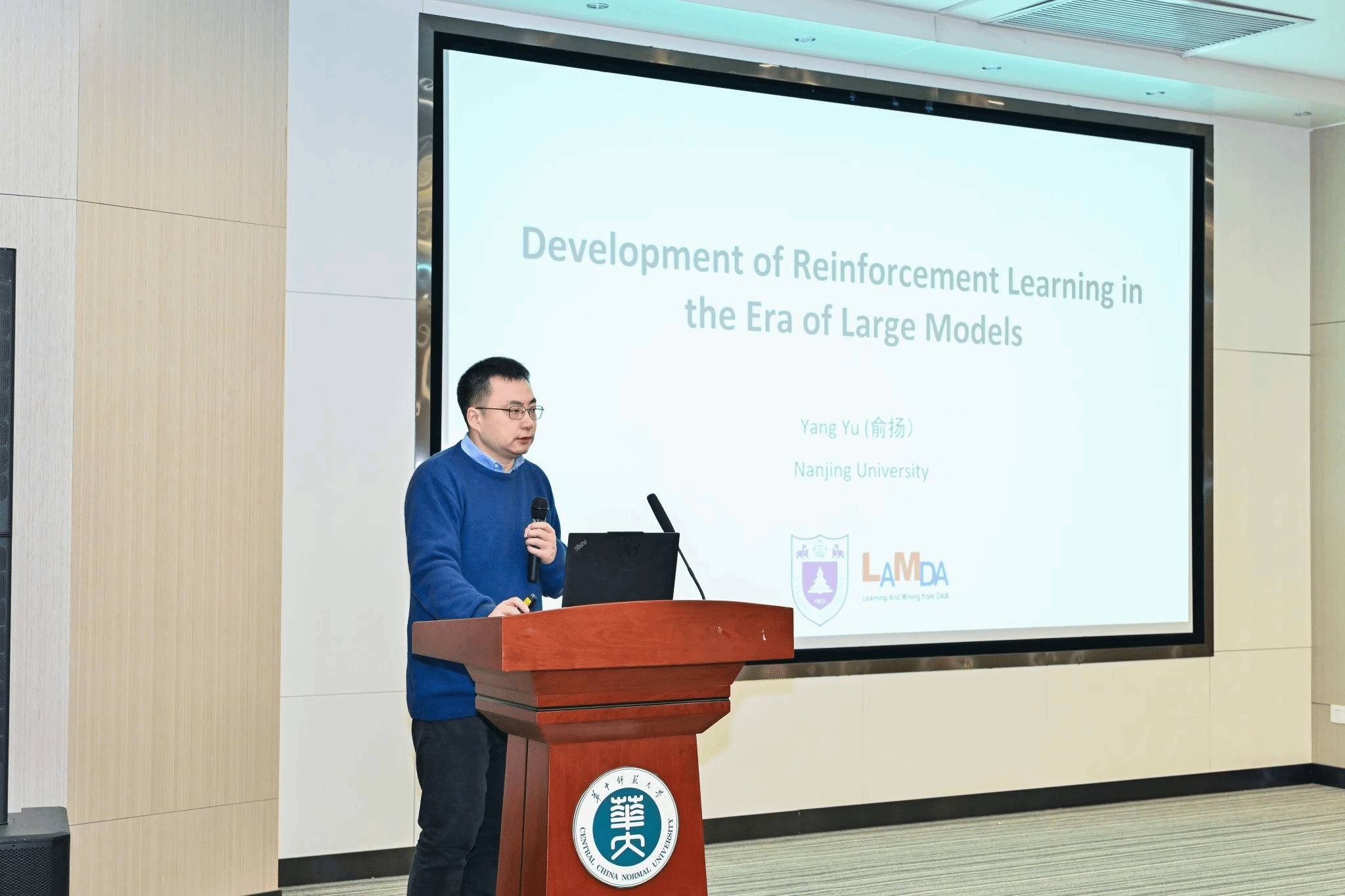
Yang Yu (Nanjing University, China): Speaking on "Development of Reinforcement Learning in the Era of Large Models", he explained how rapid advances in LLMs have become a key driver for breakthroughs in reinforcement learning, reshaping its technical pathways and applications.
Kai Chen (Baidu): Representing the PaddlePaddle team, he delivered a talk titled "PaddlePaddle Deep Learning Platform Accelerates Innovations in Scientific Computing". He introduced the PaddlePaddle framework and its applications in LLMs, AI for science, mechanics, meteorology, and materials science, emphasizing the role of open-source ecosystems in accelerating scientific research.
Industry-Academia Integration Forum
On the afternoon of December 6, the forum "Industry-Academia Integration for a Smart Future" was held. Baidu AI experts shared the latest breakthroughs in PaddleOCR for document intelligence and FastDeploy for large-scale LLM deployment. Industry leaders from IBM China (AiPuGongHua) and Beijing Qingbo Intelligence discussed AI-driven transformations in manufacturing and marketing. Additionally, professors from CCNU and Wuhan University of Science and Technology explored the creation of future classrooms empowered by AI. The forum also featured a hands-on AI workshop, allowing attendees to build applications using PaddleOCR and ERNIE Bot, bridging the gap between theoretical concepts and practical application.
Paper Presentations
On the morning of December 7, the paper presentation session showcased cutting-edge research on agentic AI across various domains, ranging from financial modeling and smart education to industrial logistics. The session also deeply explored the human rights risks and ethical challenges brought about by AI autonomy, reflecting a strong academic commitment to balancing technological development with social responsibility.
Conference Significance and Background
This international conference not only provided a vital platform for global experts to share insights and spark inspiration, but also expanded the global cooperation network in AI-empowered education, interdisciplinary research, and industry-academia integration. It offers strong intellectual support for CCNU's internationalization efforts and its vision of becoming a world-class university with a leading focus on teacher education.
IEEE ICA is a leading international academic conference in the field of agents and autonomous systems, dedicated to advancing frontier research in agent theory, technologies, and applications. Since its inception, it has been successfully held in Wollongong (Australia), Singapore, Jinan, and Beijing, serving as a high-level platform for global scholars and industry professionals.